Pigmentation
Dcure-Best solution for the Pegmentation
What is Pigmentation?
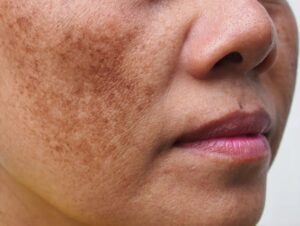
Pigmentation refers to the color of the skin, which is determined by a natural pigment called melanin.
When melanin production becomes a, you are notpigment, such as:
And
Melasma
Sunspots (age spots)
Post-inflammatory pigmentation (marks after acne or injury)
Freckles
These appear due to:
Sun exposure
Hormonal changes
Skin inflammation or acne
Ageing
Genetics
Correct
When to Get Pigmentation Treatment
you should consider getting pigmentation treatment when
1. Dark Spots Become Visible or Spread:If brown spots or patches are increasing or getting darker over time.
2. Skin Tone Looks Uneven:When your complexion appears patchy, dull, or discolored.
3. Marks Don’t Fade Naturally:If acne marks, sunspots, or injury-related pigmentation persist for more than 6–8 weeks.
4. Home Remedies or Creams Aren’t Helping:When over-the-counter products fail to give noticeable improvements.
5. Pigmented:If visible marks make you feel uncomfortable or self-conscious.
6. Pigmentation Gets Worse with Sun Exposure:If outdoor activities or tanning repeatedly darken the spots.
7. Hormonal Changes Cause Melasma:During pregnancy, after childbirth, or due to hormonal imbalance.
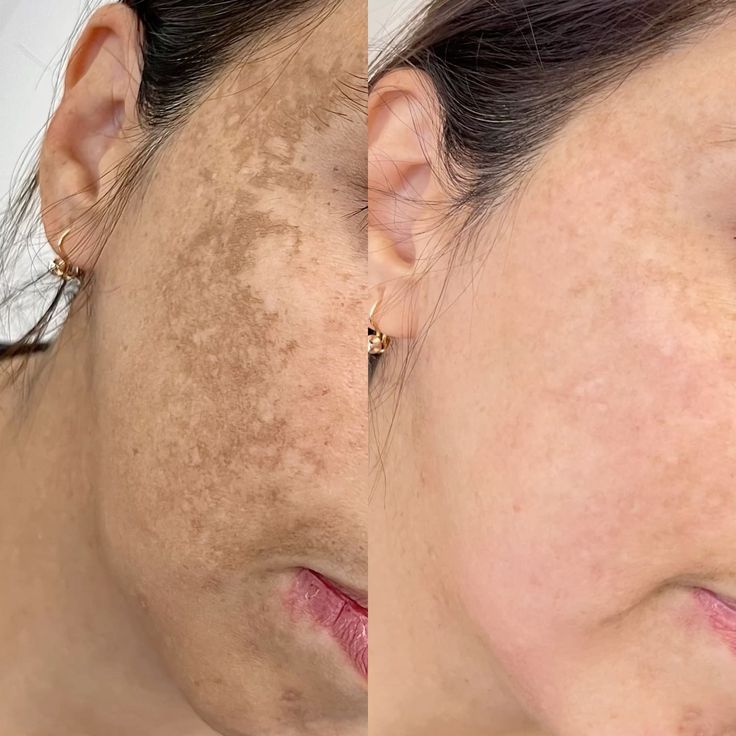
Benefits of Pigmentation Treatment
- Improved Skin Appearance: Fades dark spots, sun spots, melasma, and freckles, creating a more uniform, clear, and radiant complexion.
- Boosted Confidence: A more even skin tone can significantly enhance self-esteem and reduce self-consciousness.
- Enhanced Skin Health: Treatments like lasers stimulate collagen, improving skin texture, reducing pores, and diminishing fine lines for a smoother, firmer feel.
- Long-Lasting Results: With maintenance and sun protection, benefits can be long-lasting, preventing recurrence.
- Minimal Downtime: Many procedures, such as peels or some laser treatments, are non-invasive, allowing quick return to normal activities.